
Complete Grass Fed Beef Cuts Guide - Every Cut from Brisket to Tenderloin
Your guide to beef cuts! Learn about primal cuts of grass-fed beef, from brisket to tenderloin. Discover the best cuts of grass fed meat and how to cook beef cuts.
GRASS FED BEEF
Troy Patterson
9/26/202513 min read
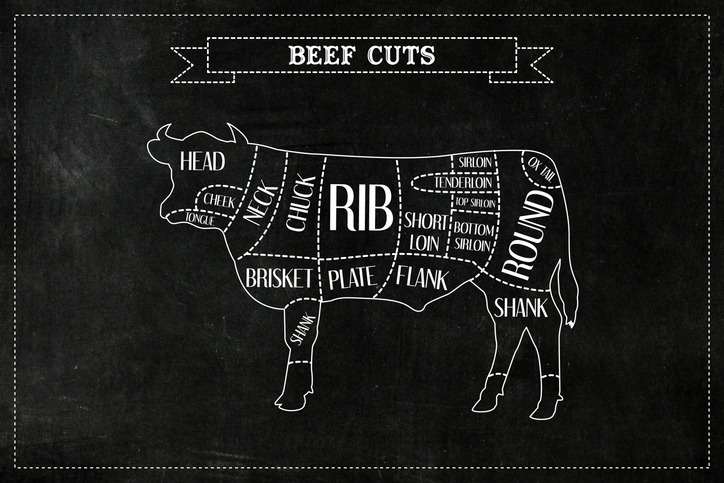
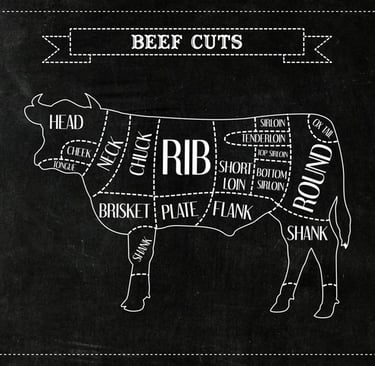
This comprehensive guide to beef cuts explores every grass-fed cut in detail, helping families understand the characteristics, cooking methods, and best applications for each cut of beef. From premium steaks to economical roasts, discover how grass-fed beef cuts differ from grain-finished alternatives and learn about the different cuts of beef that make up the animal.
Understanding Beef Anatomy and Primal Cuts
Beef cuts follow the same basic anatomy as grain finished beef, but grass-fed cuts often have different fat distribution, muscle development, and flavor characteristics that affect cooking methods. Understanding the different cuts of beef and where they come from the animal is essential for making informed purchasing decisions.
How Grass Fed Production Affects Cut Characteristics
Grass-fed cuts of beef differ from grain finished in several ways:
Leaner Overall: Lower fat content across all grass-fed beef cuts
Different Marbling: Less intramuscular fat but often better fat quality in the meat
More Flavor: Complex flavors from diverse pasture plants enhance cuts of meat
Firmer Texture: More exercise creates different muscle structure in beef cuts
Seasonal Variation: Cut characteristics change with pasture conditions due to the natural diet of the cow
The Eight Primal Cuts of Beef in Detail
The primal cuts are the primary divisions of the animal that determine how beef cuts are classified and used for different cooking methods. Each primal cut of beef contains multiple subprimal cuts that provide different textures, flavors, and cooking applications.
Beef Chuck (Front Shoulder)
Location and Characteristics:
Location: Front shoulder and neck area of the cow
Characteristics: Well-exercised muscles with rich flavor, requires slow cooking methods
Fat Content: Moderate marbling in grass-fed beef due to the active nature of this part of the animal
Best Uses: Beef chuck roasts, stews, ground beef, and beef chuck steak
Popular Cuts from Beef Chuck: The chuck primal cuts include some of the best value options from the cow:
Beef chuck roast - excellent cut of beef for braising
Beef chuck short ribs - one of the most flavorful cuts
Chuck beef steaks - economical cuts that benefit from marinades
Flat iron steak - the most tender cut from the chuck
Ground beef - often made from chuck due to its fat content
Beef Rib (Upper Back)
Location and Characteristics:
Location: Upper back area behind the beef chuck section of the cow
Characteristics: Less exercised muscles that are naturally tender due to their location on the animal
Fat Content: Good marbling even in grass-fed beef from this part of the cow
Best Uses: Premium steaks, roasts, and specialty cuts from the rib
Popular Cuts from the Rib: The rib primal cuts are among the most tender cuts of beef available:
Beef ribs - excellent for smoking and barbecuing
Beef short ribs - rich, marbled cuts perfect for braising
Beef back ribs - great cuts for grilling
Ribeye steaks - one of the most popular beef cuts
Prime rib roast - centerpiece cut of meat for special occasions
Beef Loin (Lower Back)
Location and Characteristics:
Location: Lower back area, which is the most tender region of the animal
Characteristics: Minimal exercise creates maximum tenderness in these cuts of beef
Fat Content: Lower fat in grass-fed cuts but still tender due to the location on the cow
Best Uses: Premium steaks and special occasion cuts of meat
Popular Cuts from the Loin: The loin contains the most tender cuts available from the cow:
Strip steak (New York Strip) - classic cut of beef
Filet mignon (tenderloin) - the most tender cut of meat available
T-bone steak - combines two different cuts in one piece of meat
Porterhouse steak - larger version with more tenderloin meat from the loin
Beef Round (Rear Leg)
Location and Characteristics:
Location: Rear leg and hip area of the animal
Characteristics: Well-exercised muscles that are lean and require careful cooking methods
Fat Content: Very lean in grass-fed beef cuts from this part of the cow
Best Uses: Roasts, ground beef, and lean steaks
Popular Cuts from Beef Round: Round cuts come from the rear leg of the cow and include:
Top round roast beef - popular for deli-style slicing
Beef bottom round roast - economical cut of beef
Eye of round roast - very lean piece of meat
Beef round roast - versatile cut for various cooking methods
Beef Brisket
Characteristics: Tough cut of beef requiring long, slow cooking methods due to high amounts of connective tissue
Best Uses: Smoking, braising, slow roasting - cooking methods that break down tough meat fibers
Popular Applications: Texas BBQ brisket, corned beef, and braised dishes that transform this cut of meat
Beef Plate
Characteristics: Fatty cut with rich flavor that requires slow cooking due to its marbling and connective tissue
Best Uses: Short ribs, beef bacon, and braising applications that benefit from the fat content
Popular Applications: Beef short ribs, beef belly bacon, and braised beef dishes
Beef Flank
Characteristics: Lean, tough cut with long muscle fibers that requires specific preparation
Best Uses: High-heat grilling, marinating, and slicing thin against the grain to break up tough fibers
Popular Applications: Flank steak, fajitas, London broil, and carne asada
Beef Shank
Best Uses: Braising, stewing, and soup bones where long cooking transforms the meat Popular Applications: Osso buco, beef stew, bone broth, and soup bones
Premium Grass Fed Beef Cuts - Steak Guide
Premium beef cuts come from the most tender parts of the animal, specifically the rib and loin primal cuts. These cuts are the best for grilling and quick cooking methods due to their naturally tender texture.
Ribeye Steak - Rich Flavor Champion
Detailed Characteristics:
Location: Rib primal, cuts 6-12 from the rib section of the cow
Fat Content: Highest marbling of grass-fed cuts due to the location of this cut of beef
Flavor Profile: Rich, beefy, complex flavors from diverse pasture diet enhance the meat
Texture: Tender with good chew, less fatty than grain finished but still one of the best cuts
Cooking Methods: Grilling, pan-searing, broiling are the best ways to cook this cut
Why Choose Ribeye: Best introduction to grass-fed beef for families transitioning from grain finished, as higher fat content in the meat forgives minor cooking errors.
Tomahawk Steak - Impressive Presentation Ribeye
What is a Tomahawk Steak: This impressive cut features the full ribeye with the long rib bone intact, creating a dramatic presentation perfect for special occasions and grilling enthusiasts.
Detailed Characteristics:
Location: Ribeye section with full rib bone (6+ inches)
Fat Content: Excellent marbling typical of ribeye cuts
Flavor Profile: Rich, buttery flavor enhanced by bone-in cooking
Texture: Supremely tender with impressive visual impact
Weight: Typically 2-3 pounds, serves 2-3 people
Cooking Methods: Reverse sear, grilling, oven roasting
Tomahawk Steak Considerations: While tomahawk steak prices reflect both the premium cut and dramatic presentation, grass-fed versions offer superior nutrition and flavor that justify the investment for special occasions.
Cowboy Steak - Bold Texas Cut
What is a Cowboy Steak: This thick-cut ribeye (usually 2+ inches) showcases Texas-sized portions while maintaining the tender, flavorful characteristics that make ribeye steaks legendary.
Detailed Characteristics:
Location: Thick-cut ribeye, bone-in or boneless
Fat Content: Good marbling throughout the cut
Flavor Profile: Intense beef flavor with buttery texture
Texture: Thick cut allows perfect crust with tender interior
Weight: Typically 20-32 ounces
Cooking Methods: Grilling, reverse searing, cast iron finishing
What is Cowboy Steak Best For:
Outdoor grilling and entertaining
Feeding multiple people with one impressive cut
Showcasing grass-fed beef quality and flavor
Special occasions and celebrations
Strip Steak (New York Strip) - Balanced Excellence
Detailed Characteristics:
Location: Short loin primal
Fat Content: Moderate marbling, lean but flavorful
Flavor Profile: Classic beef taste with grass-fed complexity
Texture: Firm but tender, excellent chew
Cooking Methods: Grilling, pan-searing, reverse searing
Family Favorite: Excellent balance of tenderness and flavor makes strip steak popular for family dinners and entertaining.
Filet Mignon (Tenderloin) - Ultimate Tenderness
Detailed Characteristics:
Location: Tenderloin muscle from short loin
Fat Content: Very lean, minimal marbling
Flavor Profile: Mild beef flavor, showcases grass-fed subtlety
Texture: Most tender cut available
Cooking Methods: Pan-searing, grilling with care, oven finishing
Special Occasion Cut: Higher price reflects both tenderness and limited quantity per animal.
Bacon-Wrapped Techniques: Using beef bacon or traditional bacon enhances lean tenderloin cuts for elegant presentations and added flavor.
T-Bone and Porterhouse - Two Steaks in One
Detailed Characteristics:
Location: Short loin, includes both strip and tenderloin
Fat Content: Varies between strip (moderate) and tenderloin (lean) sides
Flavor Profile: Dual experience with different textures and flavors
Texture: Strip side firmer, tenderloin side more tender
Cooking Challenge: Two different muscles require careful attention
Porterhouse Difference: Larger tenderloin portion makes porterhouse the premium version.
Grass Fed Beef Roasts - Family Meal Champions
Grass Fed Beef Chuck Roast - Comfort Food King
Detailed Characteristics:
Location: Beef chuck primal, shoulder area
Fat Content: Good marbling for slow cooking applications
Flavor Profile: Rich, deep beef flavor intensifies with slow cooking
Texture: Tough when raw, becomes fork-tender with proper cooking
Cooking Methods: Braising, slow roasting, pot roasting
Grass Fed Beef Brisket - Texas BBQ Tradition
Detailed Characteristics:
Location: Breast/lower chest area (plate primal)
Fat Content: Good fat cap with internal marbling varies
Flavor Profile: Rich, complex flavor perfect for smoking and braising
Texture: Very tough raw, becomes tender with long, slow cooking
Cooking Methods: Smoking, braising, slow roasting, oven cooking
Texas Tradition: Grass fed brisket offers cleaner flavor than grain finished while maintaining the rich taste Texas families expect.
Purchasing Considerations: When purchasing grass fed brisket, look for:
Good fat cap for moisture during cooking
Flexible texture indicating proper aging
Deep red color with marbling throughout
Local or regional sourcing for freshness
Whole packer briskets for best value
Bottom Round Roast - Lean and Economical
Detailed Characteristics:
Location: Beef round primal, rear leg
Fat Content: Very lean, minimal marbling
Flavor Profile: Good beef flavor when cooked properly
Texture: Can be tough if overcooked, needs careful technique
Cooking Methods: Slow roasting, braising, slicing thin
Economic Choice: Excellent value for families seeking grass-fed beef on a budget.
Prime Rib (Standing Rib Roast) - Holiday Centerpiece
Detailed Characteristics:
Location: Rib primal, bones intact
Fat Content: Good marbling for grass-fed beef
Flavor Profile: Rich, impressive flavor for special occasions
Texture: Tender when cooked properly
Cooking Methods: Roasting with reverse sear technique
Special Occasion Roast: Perfect for holidays and celebrations, showcasing grass-fed beef quality.
Grass Fed Ground Beef - Complete Guide
Understanding Fat Percentages in Ground Beef
Ground beef is typically made from various cuts of beef, often including chuck cuts and other trimmings from the animal. The fat percentage determines how the meat will perform in different cooking applications.
Whole Animal Purchases (1/4, 1/2, or Full Steer): When you purchase a share of grass-fed beef directly from ranchers, ground beef is usually made from trim pieces of meat from various parts of the cow:
Ask Your Processor: Different processors have different standard practices for ground beef
Common Default: Many processors default to 80/20 (80% lean, 20% fat) for ground beef
Custom Options: Most processors can accommodate specific ratio requests if you want to customize your ground beef
Communication Key: Always discuss grinding preferences during processing arrangements to get the ground beef you want
Important Questions to Ask Your Processor:
What is your standard grind ratio for ground beef?
Can you do a custom grind ratio (like 85/15 or 90/10) for my ground beef?
Do you charge extra for custom grinding ratios on ground beef?
Retail Grass Fed Ground Beef Options: Finished product producers typically offer different types of ground beef:
80/20 Standard: Most popular option for ground beef, similar to whole animal ratios
90/10 Lean Option: Created by adding lean trim to achieve specific ratio in ground beef
80/20 Grass Fed Ground Beef (Most Common):
Best Uses: Burgers, meatloaf, dishes where fat content enhances flavor
Cooking Notes: More forgiving due to higher fat content
Flavor: Rich, satisfying taste with healthy grass-fed fats
90/10 Grass Fed Ground Beef (Lean Option):
Best Uses: Tacos, spaghetti sauce, health-conscious applications
Cooking Notes: Balance of flavor and leanness
Texture: Slightly less juicy than 80/20
Popular Grass Fed Ground Beef Applications
Family Meal Ideas:
Grass-fed beef burgers
Traditional meatloaf
Beef and bean chili
Spaghetti meat sauce
Beef tacos and burritos
Shepherd's pie
Beef stroganoff
Meatballs
Beef-stuffed peppers
Sloppy joes
Popular Beef Ribs and Alternative Cuts
Beef Ribs - BBQ and Braising Favorites
Beef Short Ribs - Rich and Flavorful:
Location: Beef chuck and beef plate primals
Fat Content: Excellent marbling with connective tissue
Flavor Profile: Deep, rich beef flavor intensifies with slow cooking
Texture: Tough when raw, becomes fork-tender with proper technique
Cooking Methods: Braising, smoking, slow roasting
Beef Back Ribs - Grilling Champions:
Location: Beef rib primal, from ribeye area
Characteristics: Less meat than short ribs but excellent flavor
Cooking Methods: Grilling, smoking, barbecuing
Preparation: Remove membrane for better seasoning penetration
Beef Ribs Applications: Excellent for outdoor cooking and comfort food preparations.
Smoked Beef Ribs Techniques: Perfect for Texas-style outdoor cooking using traditional wood smoking methods.
Beef Chuck Steak - Economical Grilling Option
Characteristics:
Location: Beef chuck primal
Characteristics: More affordable than premium steaks
Cooking Methods: Marinating, grilling, braising
Preparation: Benefits from tenderizing marinades
Value: Excellent flavor at budget-friendly prices
Flat Iron Steak - Hidden Gem Cut
Detailed Characteristics:
Location: Beef chuck primal, second most tender muscle
Fat Content: Good marbling for a beef chuck cut
Flavor Profile: Rich, beefy flavor with tender texture
Texture: Very tender when sliced against the grain
Cooking Methods: Grilling, pan-searing, marinating
Value: Premium taste at economical pricing
Tri-Tip - California Favorite
Detailed Characteristics:
Location: Bottom sirloin subprimal
Fat Content: Moderate marbling with good flavor
Flavor Profile: Rich, beefy taste with slight grain variation
Texture: Tender when cooked and sliced properly
Cooking Methods: Grilling, smoking, roasting
Regional Appeal: Growing popularity beyond California
Hanger Steak - Butcher's Secret
Detailed Characteristics:
Location: Beef plate primal, "onglet" in French cuisine
Fat Content: Moderate fat with intense flavor concentration
Flavor Profile: Very beefy, mineral-rich taste
Texture: Can be chewy if not handled properly
Cooking Methods: High heat, quick cooking, slice thin
Availability: One per animal, limited supply
Flank Steak - Lean and Flavorful Alternative Cut
Detailed Characteristics:
Location: Lower abdominal area of the animal
Fat Content: Very lean with minimal marbling, making it a healthy cut of meat
Flavor Profile: Intense beef flavor that benefits from marinades to enhance the meat
Texture: Long grain requires slicing thin against the grain to make tender cuts
Cooking Methods: High heat, quick cooking, marinating are the best methods to cook this cut
Uses: Perfect for fajitas, stir-fries, London broil applications
Flank steak is one of the most versatile cuts of beef when prepared correctly, transforming from a tough piece of meat into tender, flavorful dishes.
Skirt Steak - Flavorful Alternative to Flank
Detailed Characteristics:
Location: Plate primal, from the diaphragm area of the animal
Fat Content: Lean cut with some marbling that adds flavor to the meat
Flavor Profile: Rich, beefy taste similar to flank steak but with slightly more fat
Texture: Long muscle fibers require slicing against the grain for tender cuts
Cooking Methods: High heat grilling, broiling, or pan-searing work best
Uses: Excellent for fajitas, tacos, and quick-cooking applications
Skirt steak is one of the most flavorful cuts of beef when cooked quickly over high heat, making it a favorite for Mexican and Tex-Mex cuisine.
Eye of Round - Lean and Economical Round Cut
Detailed Characteristics:
Location: Center of the round primal from the rear leg of the cow
Fat Content: Very lean cut with minimal marbling throughout the meat
Flavor Profile: Mild beef flavor that requires careful cooking to maintain tenderness
Texture: Can be tough if overcooked, needs proper technique to make tender cuts
Cooking Methods: Slow roasting, braising, or slicing thin when used for roast beef
Uses: Excellent for deli-style roast beef, jerky, or slow-cooked applications
The eye of round is an economical cut of beef that, when prepared correctly, provides excellent value for families seeking lean cuts of meat from grass-fed animals.
Beef Bacon - Alternative to Pork Bacon
What is Beef Bacon: This specialty cut offers families an alternative to pork bacon while providing rich, smoky flavor from grass-fed beef sources.
Beef Bacon Characteristics:
Source: Beef belly (plate primal) or beef brisket
Fat Content: High fat content similar to pork bacon
Flavor Profile: Rich, savory, less sweet than pork bacon
Texture: Crispy when cooked, tender when slow-cooked
Uses: Breakfast meat, cooking ingredient, flavor enhancer
Benefits: Kosher and halal options available
Beef Belly Bacon vs Traditional Cuts: Beef belly bacon comes from the plate primal, offering higher fat content than most beef cuts with similar cooking properties to pork bacon.
Beef Bacon Applications: Breakfast meat, cooking ingredient, and flavor enhancer for various culinary applications.
Kosher Beef Bacon Benefits: For families following kosher dietary laws, beef bacon provides kosher-certified alternatives with rich flavor enhancement.
Organ Meats - Nutritional Powerhouses
Grass-fed organ meats offer exceptional nutrition density while supporting nose-to-tail eating principles.
Liver - Vitamin Powerhouse
Liver Characteristics:
Nutrition: Highest concentration of vitamins and minerals
Flavor: Strong, distinctive taste
Preparation: Soaking in milk reduces intensity
Uses: Pâtés, sautéed preparations, mixed into ground beef
Heart - Mild Organ Meat
Heart Characteristics:
Nutrition: High in CoQ10 and B-vitamins
Flavor: Mild, similar to lean steak
Preparation: Slice thin, marinate
Uses: Stir-fries, kabobs, ground into burgers
Kidney - Traditional Preparation
Kidney Characteristics:
Nutrition: High in B12 and other B-vitamins
Flavor: Strong, requires proper preparation
Preparation: Remove fat, soak, slice thin
Uses: Traditional steak and kidney pie, stews
Bones and Marrow - Traditional Nutrition
Soup Bones
Characteristics:
Uses: Bone broth, stock, soups
Nutrition: Collagen, minerals, gelatin
Preparation: Roast first for better flavor
Storage: Freeze for future use
Marrow Bones
Characteristics:
Uses: Roasted marrow, bone broth
Nutrition: Healthy fats, vitamins
Preparation: Split lengthwise for easy access
Serving: Traditional on toast with herbs
Frequently Asked Questions About Beef Cuts
What are primal cuts and how many primal cuts are there on a cow?
Primal cuts are the main divisions of beef that butchers use to break down the animal into manageable sections. There are eight primal cuts of beef: chuck, rib, loin, round, brisket, plate, flank, and shank. These primal cuts are then divided into subprimal cuts and individual retail cuts that consumers purchase. Understanding primal cuts is essential because they determine the cooking methods and flavor profiles of different cuts of meat.
What types of cuts come from the chuck primal?
Chuck cuts come from the front shoulder area of the cow and include some of the most economical beef cuts available. The different cuts from the chuck include chuck roast, chuck steak, flat iron steak, and chuck short ribs. Because of the amount of connective tissue in this part of the animal, chuck cuts are best suited for slow cooking methods like braising or stewing. The meat from the chuck is also commonly used for ground beef due to its fat content.
How do I know which cuts are the most tender cuts of beef?
The most tender cuts of beef come from parts of the animal that receive the least exercise, primarily from the loin and rib sections. Tender cuts include filet mignon, ribeye, strip steak, and T-bone steaks. These cuts are tender because they come from muscles that don't work as hard as those in other parts of the cow. When selecting tender cuts of beef, look for cuts from the loin and rib primals, as these areas produce the best cuts for quick cooking methods.
What's the difference between skirt steak and flank steak?
Both skirt steak and flank steak are lean cuts of beef that require similar cooking methods, but they come from different parts of the animal. Skirt steak comes from the plate primal and has slightly more marbling, while flank steak comes from the flank primal and is leaner. Both cuts have long muscle fibers and need to be sliced against the grain to create tender cuts. Skirt steak cooks faster due to its thinner profile, while flank steak is thicker and requires careful timing to avoid overcooking the meat.
How should I cook different cuts of beef?
How to cook beef cuts depends on the location and characteristics of each piece of meat. Tender cuts from the loin and rib are best for quick, high-heat cooking methods like grilling or pan-searing. Tougher cuts from working muscles like chuck or round need slow cooking methods to break down connective tissue and make the meat tender. The best approach is to match the cooking method to the cut - use dry heat for tender cuts and moist heat for tougher cuts that need time to become tender.
What cut of beef is best for making corned beef?
Corned beef is traditionally made from the brisket, which is a tough cut of beef from the breast area of the cow. The brisket cut is ideal for corned beef because it has enough fat and connective tissue to remain moist during the long curing and cooking process. The meat from this cut becomes tender and flavorful when properly brined and slowly cooked. Other cuts can be used for corned beef, but brisket remains the traditional choice due to its texture and flavor profile.
How much ground beef can I expect from different cuts of the cow?
The amount of ground beef you get depends on which cuts are used for grinding and the overall size of the animal. Typically, chuck cuts are commonly used for ground beef because they have a good balance of meat and fat. When processing a whole animal, various trim pieces from different parts of the cow are combined to make ground beef. Most processors will tell you the approximate amount of ground beef to expect based on the hanging weight and the specific cuts you choose.
What makes some cuts of meat more expensive than others?
The cost of different cuts varies due to several factors including tenderness, location on the animal, and demand. Cuts from the loin and rib primals are more expensive because they're naturally tender and there's limited quantity from each animal. These premium cuts require minimal preparation and cook quickly. Less expensive cuts come from working muscles that need more time and skill to prepare properly, but they often have excellent flavor when cooked correctly.
Continue Your Grass Fed Beef Education:
How to Purchase Grass Fed Beef - Complete buying guide
Texas Grass Fed Farms
Families Deserve Food That Heals, Not Harms
© Texas Grass Fed Farms 2025. All rights reserved.