What is Adaptive Multi-Paddock (AMP) Grazing? Complete Texas Guide to Rotational Grazing
Complete guide to rotational grazing and Adaptive Multi-Paddock (AMP) systems in Texas. Learn how rotational grazing systems restore soil health, increase ranch profitability, and produce nutrient-dense grass fed beef through regenerative agriculture.
REGENERATIVE AGRICULTUREFARM LIFE & TEXAS RANCHINGGRASS FED BEEF
Troy Patterson
10/13/202514 min read
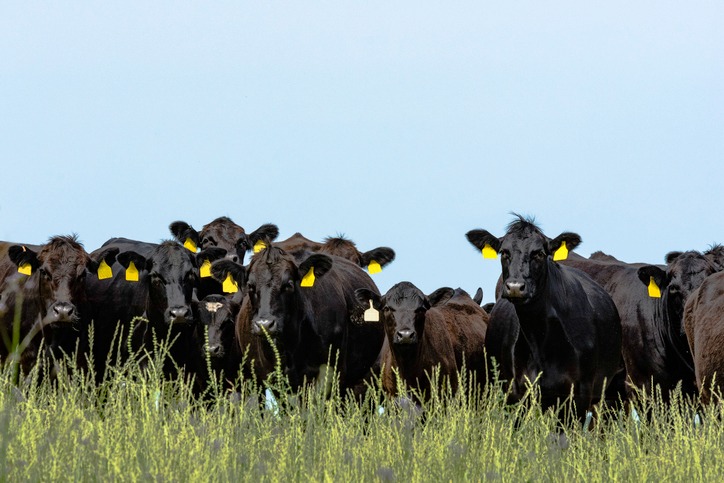
If you've researched regenerative agriculture or grass fed beef production, you've encountered the term "adaptive multi-paddock grazing" or "AMP grazing." This intensive rotational grazing system represents one of the most powerful tools available for healing degraded land while producing nutrient-dense food. But what exactly is rotational grazing, and can these systems work on Texas ranches?
As future regenerative ranchers in Texas planning to produce grass fed beef through adaptive management, we're studying how rotational grazing transforms land, improves cattle performance, and increases ranch profitability. This comprehensive guide to rotational grazing explains everything Texas ranchers and consumers need to know about adaptive multi-paddock grazing systems.
Watch this introduction: Adaptive Grazing 101: What is Adaptive Grazing? with Dr. Allen Williams
Understanding Adaptive Multi-Paddock (AMP) Rotational Grazing
Adaptive multi-paddock grazing—a sophisticated form of rotational grazing—uses very high stock density for short grazing periods followed by extended recovery periods. Rotational grazing is the practice of moving grazing livestock between smaller paddock divisions of the pasture rather than allowing continuous grazing across the entire area. The "adaptive" component is crucial—unlike rigid rotational grazing systems following predetermined schedules, AMP grazing constantly adjusts based on actual plant growth, soil moisture, and seasonal factors.
Dr. Richard Teague's groundbreaking research at Texas A&M provides scientific validation for the effects of rotational grazing. His studies comparing adaptive multi-paddock systems to continuous grazing documented dramatic improvements in soil health, water infiltration, plant diversity, and ranch profitability. The competitive advantage of rotational grazing over continuous grazing becomes clear in these results.
Grazing animals move based on conditions at the time rather than a rigid schedule. The goal of rotational grazing is providing beneficial herd impact—the concentrated grazing, trampling, and manure distribution that stimulates soil biology and plant growth. Depending on grass conditions, weather, and season, cattle might stay in a paddock for several hours before moving, or might remain 24-48 hours. This flexibility distinguishes adaptive managed grazing from rigid systems.
Core Principles of Rotational Grazing Systems
Five core principles guide successful rotational grazing:
High Stock Density: In density grazing systems, cattle graze at concentrated levels in smaller paddock divisions, creating uniform impact that mimics how wild herbivore herds naturally bunched for protection from predators. This intensive rotational grazing approach creates far more beneficial impact than continuous grazing.
Short Grazing Periods: Each paddock is grazed briefly—from several hours to a day or two—with the goal of taking approximately one-third of the forage before moving. This prevents selective overgrazing while maintaining plant vigor and allows the pasture to recover from grazing.
Long Recovery Periods: After grazing, each paddock rests for 30-120 days depending on growing conditions, allowing plants to fully restore root systems and rebuild carbohydrate reserves before the next grazing event. This recovery from grazing is what separates rotational grazing systems from continuous grazing.
Adaptive Decision-Making: Grazing management responds to current conditions rather than rigid schedules. Spring grazing during rapid growth may require 30-day recovery while summer drought might extend recovery to 90+ days in certain types of pasture.
Plant-Focused Management: The system prioritizes plant health and recovery. Cattle move when plants need rest, not when it's most convenient—this discipline builds long-term success in any grazing system.
The Texas A&M Research on Rotational Grazing
Dr. Richard Teague's research at Texas A&M AgriLife Research provides gold standard scientific validation for rotational grazing. His long-term studies comparing rotational grazing systems and continuous grazing on Texas ranches documented dramatic differences in the effects of rotational grazing.
Soil Organic Matter: Research showed rotational grazing increased soil organic matter by 3-13% while continuous grazing showed little change or decreases. This soil building through rotational grazing translates directly to increased water-holding capacity and nutrient cycling.
Water Infiltration: Rotational grazing systems demonstrated infiltration rates 50-100% higher than continuous grazing, meaning more rainfall soaks into soil and water resources are conserved rather than running off—crucial during Texas droughts. Better water and soil conservation gives rotational grazing a clear advantage.
Soil Physical Properties: At the same stocking rate per acre, rotational grazing showed superior results: bulk density (0.91 vs. 1.06 g/cm³), aggregate stability (93% vs. 81%), and soil moisture (25% vs. 15% by volume) compared to heavy continuous grazing. These improvements in soil and water dynamics demonstrate the benefits of grazing systems that allow recovery.
Profitability: Economic analysis documented rotational grazing systems generating significantly higher profit per acre than continuous grazing systems, primarily through increased carrying capacity and reduced input costs for production and operations.
These peer-reviewed findings transformed academic thinking about grazing management, proving that properly managed grazing livestock regenerate rather than degrade land.
How Rotational Grazing Differs from Continuous Grazing
While both rotational grazing and traditional management move cattle through paddock divisions, key differences distinguish these approaches from continuous grazing:
Stock Density: Continuous grazing might spread 20 cattle across 40 acres. Rotational grazing concentrates those same cattle on a smaller paddock of <1-4 acres, creating more uniform impact and beneficial herd effect.
Grazing Duration: Continuous grazing allows animals constant access to the entire pasture. Rotational grazing systems typically graze each paddock for several hours to two days maximum, depending on conditions, then move animals to fresh pasture for grazing.
Management Intensity: Rotational grazing requires frequent cattle moves and constant observation, demanding more active management than continuous grazing. However, the goal of rotational grazing is intensive management of grazing and not intensive grazing that damages plants.
Recovery Time: Shorter grazing periods in rotational grazing systems allow longer recovery—often 30-90+ days—giving plants time to fully regenerate root systems and rebuild energy reserves. Continuous grazing provides no recovery from grazing pressure.
The combination creates beneficial animal impact—trampling that incorporates organic matter on top of the ground, manure distribution that cycles nutrients, and grazing stimulation that triggers plant growth—without allowing overgrazing of any portion of pasture.
The Science Behind Rotational Grazing's Success
Understanding why rotational grazing works requires grasping the relationship between managed grazing, plant physiology, and soil biology:
Hormesis and Plant Growth: Moderate grazing pressure triggers plants to grow more vigorously through rotational grazing—similar to how pruning stimulates garden plant growth. The key is removing just one-third of the forage before allowing full recovery. This grazing results in healthier plants than continuous grazing.
Root Exudation and Soil Carbon: When leaves are removed through grazing, plants shed corresponding root mass to maintain balance. These dying roots feed soil microbes while depositing carbon. Short grazing periods followed by long recovery through rotational grazing maximizes this carbon pumping into soil compared to continuous grazing.
Nutrient Cycling: Concentrated manure distribution from grazing livestock returns nutrients in readily available forms. Trampling action incorporates this fertility and protects the ground from erosion—nature's perfect fertilization system that grazing can provide when properly managed.
Soil Aggregate Formation: Animal hoof action combined with root growth and microbial activity creates stable soil aggregates in rotational grazing systems, improving water infiltration, increasing pore space for root growth, and protecting soil carbon from loss.
Carbon Sequestration Through Rotational Grazing
One of the most significant effects of rotational grazing is atmospheric carbon capture. Healthy grasslands managed with rotational grazing can sequester substantial carbon— exceeding methane emissions from cattle. So rotational grazing has been recognized as a climate solution.
Plants capture atmospheric CO2 through photosynthesis, converting it to sugars that fuel growth. About 40% of these sugars pump into soil through roots, feeding microbial communities. When roots die and regrow (stimulated by grazing), carbon deposits in stable forms remaining in soil for decades or centuries.
Research documented Georgia ranches increasing soil carbon by eight tons per hectare per year moving from cropped land to permanent rotational grazing. Dr. Teague's studies showed significantly higher soil carbon levels on rotational grazing ranches compared to continuous grazing.
Implementing Rotational Grazing on Texas Ranches
Transitioning to rotational grazing requires planning and commitment to learning new management skills. However, the process doesn't demand immediate perfection—most successful Texas ranchers practicing rotational grazing start simple and refine their systems over time.
Infrastructure Requirements for Rotational Grazing
Successful rotational grazing requires appropriate infrastructure, though initial investments can be modest:
Fencing: Permanent perimeter fence provides secure boundaries. Portable electric fencing—typically polywire or polytape with step-in posts—creates temporary paddock divisions called paddocks. The beauty of this grazing system is you only need fencing for two paddocks at once: the one cattle occupy and the one they're moving to next. This dramatically reduces fencing and infrastructure costs compared to creating permanent subdivisions.
Solar-powered fence energizers make portable systems practical even in remote areas without grid electricity. Many ranchers start with simple polywire systems costing $0.25-$0.50 per linear foot, upgrading to semi-permanent fencing as they refine their rotational grazing on the ranch.
There are also virtual fencing solutions such as Halter where cattle wear GPS collars where rotational moves can be managed with a wireless app on a phone.
Water Systems: Grazing livestock need water access in every paddock location. Portable water tanks that move with the herd provide maximum flexibility for rotational grazing. Permanent pipeline systems with multiple water connections work well on larger ranches. Strategic water and fence placement influences grazing patterns and improves pasture utilization.
Livestock Handling: Frequent cattle moves in rotational grazing systems require efficient handling systems. Portable panels, strategic lane placement, and trained livestock that move calmly make daily management feasible. Well-designed rotational grazing systems allow moving cattle in 5-15 minutes.
Managing Rotational Grazing Throughout the Year
Successful rotational grazing requires adjusting management to match seasonal grass growth and weather conditions throughout the year. This adaptive approach to grazing management distinguishes effective rotational grazing systems from rigid schedules.
Spring Management in Rotational Grazing
Spring brings explosive grass growth in Texas, with plants sometimes growing 3-4 inches daily. This rapid growth allows shorter recovery periods—often just 25-35 days—in rotational grazing. The goal is keeping pace with the amount of forage production and matching the needs of the herd.
Cattle may be moved from one paddock to another quickly during spring grazing, sometimes grazing the same paddock twice rather than once. This prevents grass from becoming overmature and low-quality. Some ranchers practicing rotational grazing temporarily increase stocking with purchased cattle or early weaning to match high forage production. This flexibility helps extend the grazing season by utilizing peak growth.
Summer and Drought Management
Texas summers challenge both cattle and grass. High temperatures slow plant growth while increasing water needs of livestock. Adaptive grazing management becomes crucial during this period to maintain forage quality and quantity.
Summer strategies for rotational grazing include extending recovery periods to 60-90+ days as growth slows, allowing plants to fully rebuild root systems before regrazing. During severe drought, the length of recovery periods may need to extend even further, or temporarily reduce stocking rates to prevent overgrazing—this might mean selling cull cows early or moving animals to leased pasture for continued grazing.
The soil health benefits of rotational grazing become most apparent during drought. Research shows well-managed rotational grazing often maintains green grass weeks longer than continuous grazing due to improved water infiltration and soil organic matter. Rotational grazing can help ranches weather drought better.
Multi-Species Integration in Rotational Grazing Systems
One of the most exciting applications is integrating multiple livestock species in planned sequences through rotational grazing. Lone Star Regenerative plans to integrate grass fed beef cattle, pastured poultry, and pastured pork using these principles.
The Cattle-Poultry Sequence: The most common multi-species pattern in rotational grazing systems follows cattle with chickens 3-7 days later. Cattle graze tall grass in one portion of pasture, trample organic matter into soil, and deposit manure pads. Chickens follow in portable coops, scratching through cattle manure to harvest fly larvae while spreading manure evenly. This breaks parasite cycles for both types of livestock while adding high-nitrogen chicken droppings.
Integrating Pigs: Pastured pork integrates well with rotational grazing for cattle, particularly for brush control. Pigs' natural rooting behavior makes them excellent tools for managing woody encroachment when moved strategically through paddock divisions after cattle graze.
Economics of Rotational Grazing
While rotational grazing requires some infrastructure investment and intensive management, economic returns typically exceed costs within 3-7 years. Many ranchers find rotational grazing also improves their quality of life through better observation and land connection.
Increased Carrying Capacity: Dr. Teague's research documented that rotational grazing often doubled carrying capacity within 5-10 years as soil health improved. For a 100-acre ranch supporting 20 cow-calf pairs under continuous grazing, rotational grazing might increase capacity to 30-40 pairs over time, representing significant additional annual revenue and improved production per acre.
Reduced Operating Costs: As soil health improves through rotational grazing, synthetic fertilizer needs decrease or disappear. Texas ranchers commonly spend $30-$50 per acre annually on fertilizer—eliminating this through better nutrient cycling saves $3,000-$5,000 annually on 100 acres. Better forage quality and extended grazing season through rotational grazing reduce hay feeding by 30-50%, saving $50-$100 per cow annually.
Premium Pricing: Regeneratively raised grass fed beef from Texas using rotational grazing commands premium prices—often $1-3 or more per pound higher than conventional beef, adding substantial revenue to offset the initial costs of implementing this grazing system.
Common Challenges and Solutions for Rotational Grazing
Labor Concerns: The most common concern about rotational grazing is increased labor compared to continuous grazing. However, efficient paddock design and trained livestock make daily moves manageable in 5-15 minutes. Many ranchers practicing rotational grazing report that daily observation becomes a favorite part of ranch life rather than a burden, and the improved production and profitability justify the time.
Learning Curve: Adaptive grazing management requires constant decision-making about the size of the paddock, when to move, and how long to rest. Solutions include starting with one demonstration pasture to learn, establishing simple decision guidelines for your rotational grazing system, connecting with experienced ranchers practicing rotational grazing, and accepting that mistakes happen—adjust based on feedback rather than expecting perfection at the end of your first season.
Neighbor Skepticism: Changing from continuous grazing to rotational grazing sometimes generates skepticism. Address this by documenting results with photos and data showing the effects of rotational grazing, sharing Dr. Teague's research on grazing systems and the competitive advantage, demonstrating improved profitability through solid record-keeping, and connecting with other regenerative ranchers for support.
Types of Rotational Grazing Systems
Understanding different types of rotational grazing helps you choose the approach that fits your goals and the needs of your operation:
Simple Rotation: The most basic form divides the pasture into 2-4 larger paddocks. Livestock rotate through, typically spending 1-2 weeks per paddock. While an improvement over continuous grazing, this doesn't maximize the benefits of intensive rotational grazing.
Intensive Rotational Grazing: Uses more paddock divisions (8-12+) with shorter grazing periods (1-7 days) and longer rest periods (30-60 days). This is what many ranchers mean by "rotational grazing" and provides substantial improvements in soil and forage production and quality.
Adaptive Multi-Paddock (AMP): The most intensive form of rotational grazing discussed in this guide. Uses very short grazing periods (hours to 2 days), very long recovery (60-120+ days), and the highest stock density. Creates maximum beneficial impact while preventing any grazing damage.
Strip Grazing: A variation where portable electric fence creates a fresh strip of pasture daily or twice daily. Common for intensive rotational grazing in improved pastures. Animals consume high-quality forage from front to back of strip.
Each of these rotational grazing systems provides advantages over continuous grazing, though the more intensive systems generally deliver greater benefits to soil, water, and production. The type of system you choose depends on your goals, the type of livestock, available labor, and the needs of the land.
Biblical Principles and Land Stewardship Through Rotational Grazing
At Lone Star Regenerative, we believe rotational grazing aligns with biblical principles of land stewardship. Genesis 2:15 instructs humanity to "work and keep" the garden—language suggesting both use and preservation.
Rotational grazing embodies this balanced approach: actively managing livestock to produce nutrient-dense grass fed beef while increasing soil health, sequestering carbon, enhancing biodiversity, and improving water cycles. The seventh-day rest principle mirrors the recovery periods central to rotational grazing—just as land observing Sabbath rest produced more abundantly, paddocks given adequate recovery yield more forage while building soil health.
This grazing approach honors creation by working with natural patterns rather than against them, recognizing that properly managed grazing animals are part of God's design to improve landscapes rather than degrade them.
Getting Started with Rotational Grazing
Ready to explore rotational grazing on your Texas ranch? Here's a practical roadmap:
1. Education: Study rotational grazing principles through Allan Savory's "Holistic Management," Dr. Richard Teague's research, and Dr. Allen Williams' video tutorials. Also check with Texas A&M AgriLife Extension Service for grazing schools or look for grazing schools by experienced rotational grazers such as one put on by Greg Judy.
2. Assessment: Evaluate your current operation: existing fencing and water infrastructure, forage base, cattle numbers, and management goals. Understanding the needs of livestock and the type of operation you run helps design the right rotational grazing system.
3. Start Small: Choose one pasture for your demonstration project. Install simple portable electric fencing to create paddock divisions. Starting with 4-6 paddocks provides good learning without overwhelming complexity.
4. Begin Grazing: Start your rotational grazing, maintaining detailed records: dates, forage height before and after grazing, recovery periods, and cattle performance. This data helps you understand the effects of rotational grazing on your specific land.
5. Observe and Adjust: Monitor pasture response and adjust grazing periods, stocking density, and recovery times based on feedback. Rotational grazing is adaptive—use what you learn to improve the system.
6. Expand: Once successful (typically after 1-2 years), expand rotational grazing to additional pastures. Many ranchers find this grazing system so beneficial they eventually convert the entire ranch from continuous grazing to rotational grazing.
Hiring a consultant such as the folks at Understanding Ag, is also an option, if you have the resources.
Frequently Asked Questions About Rotational Grazing
Q: How much fencing do I need for rotational grazing?
A: You need solid perimeter fence plus portable electric fencing for two paddocks—the one cattle occupy and the one they're moving to. This keeps fencing and infrastructure costs surprisingly low when starting rotational grazing.
Q: How long before I see results from rotational grazing?
A: Initial forage production improvements appear within 1-2 years. Significant improvements in soil and water resources become evident in 3-5 years. Maximum benefits of rotational grazing typically take 5-10 years, though many ranchers see profitable changes much sooner.
Q: Can I practice rotational grazing during drought?
A: Yes, though drought requires adaptive grazing management. Extend recovery periods, reduce stocking temporarily, or use smaller paddock sizes for shorter periods. Well-managed rotational grazing ranches typically weather drought better than continuous grazing operations due to improved water infiltration and soil health.
Q: How does rotational grazing affect cattle performance?
A: Research consistently shows equal or improved cattle performance on rotational grazing systems compared to continuous grazing. Fresh forage and reduced parasite pressure from grazing often result in better weight gains per acre and herd health, while the improved forage quality and quantity supports better production.
Q: How often do cattle move in rotational grazing?
A: It depends on conditions and the type of rotational grazing system. Cattle might move multiple times daily during spring's rapid growth, or stay 24-48 hours per paddock during summer or winter. The goal of any grazing system is providing beneficial herd impact while preventing overgrazing.
Q: Can I make money with rotational grazing?
A: Yes. Increased carrying capacity per acre, reduced input costs, and premium pricing for regeneratively raised grass fed beef typically result in higher profitability than continuous grazing within 3-7 years. Rotational grazing could be the competitive advantage your ranch needs to improve profitability. Also, incorporating multi-species on the same land increases revenue streams off the same amount of land.
Q: What is the difference between rotational grazing and continuous grazing?
A: Rotational grazing is the practice of dividing pasture into smaller sections called paddocks and moving livestock between them to allow recovery from grazing. Continuous grazing allows livestock constant access to the entire pasture throughout the grazing season, providing no rest period for plants to recover. The effects of rotational grazing on soil, water, and production are significantly more positive than continuous grazing.
Q: Do I need expensive permanent fencing for rotational grazing?
A: No. While solid perimeter fence is essential, many successful rotational grazing systems use affordable portable electric fence to create temporary paddock divisions. This approach keeps costs manageable while providing flexibility to adjust the size of the paddock based on forage conditions and the number of animals being grazed.
Conclusion
Rotational grazing represents more than a management technique—it's a paradigm shift in how we view the role of livestock in landscapes. Dr. Richard Teague's Texas A&M research provides scientific validation for what observant ranchers have long known: properly managed grazing improves land, while continuous grazing degrades it.
For Texas ranchers facing challenging climate conditions and economic pressures, rotational grazing offers a proven path toward resilience and profitability. The competitive advantage of rotational grazing over continuous grazing extends beyond just production and economics—it includes improved quality of life through better connection to the land and other benefits that come from working with natural systems.
For consumers seeking clean, healthy grass fed beef raised with environmental integrity, cattle raised through rotational grazing systems provide exactly that. The careful management of grazing ensures animals have access to the highest quality forage while the land continuously improves, creating truly regenerative food production.
At Lone Star Regenerative, we plan to practice intensive rotational grazing because it aligns with our values: biblical stewardship, scientific validity, environmental restoration, and production of nourishing food. Rotational grazing has been proven effective for achieving all these goals simultaneously. The future of Texas ranching is regenerative, and rotational grazing leads the way.
Ready to support regenerative agriculture in Texas?
Become one of our Regenerative Ranching Partners
Texas Grass Fed Farms
Families Deserve Food That Heals, Not Harms
© Texas Grass Fed Farms 2025. All rights reserved.