
The Sacred Four - Ecosystem Processes That Heal Texas Rangeland
Discover how energy flow, water cycle, nutrient cycling, and community dynamics restore Texas rangeland through regenerative agriculture. Learn practical steps from Allan Savory, Joel Salatin, and Greg Judy.
FARM LIFE & TEXAS RANCHINGREGENERATIVE AGRICULTURETEXAS AGRICULTURE
Troy Patterson
11/17/202516 min read
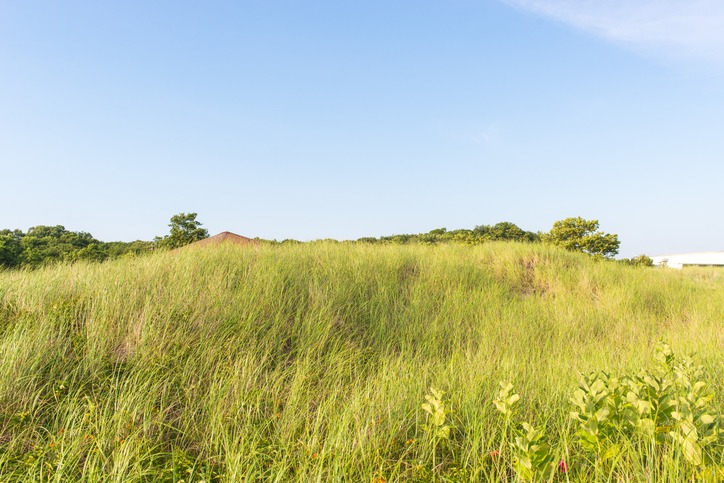
Most Texas ranchers can tell you about stocking rates and fencing. They'll talk about rainfall and grass varieties. But ask them about the four ecosystem processes that actually determine whether their land thrives or dies, and you'll usually get blank stares.
That needs to change. Because understanding these ecosystem processes—energy flow, water cycle, nutrient cycling, and community dynamics—is the difference between mining your land into dust and building soil that gets better every year.
What Are Ecosystem Processes in Regenerative Agriculture?
Ecosystem processes are the fundamental ecological functions that make life possible on any piece of land. They're not theoretical concepts from university textbooks. They're the actual mechanisms that determine whether your grass grows, your soil builds, and your cattle gain weight.
These processes represent the interaction between living organisms and their environment, creating the flow of energy and nutrients that sustain all terrestrial life. The Millennium Ecosystem Assessment identified these processes as critical to biodiversity and ecosystem services that support human well-being.
In regenerative agriculture, we focus on four primary ecosystem processes:
Energy flow - how sunlight becomes plant material and feeds the soil through photosynthesis
Water cycle - how precipitation moves through your land and stays there
Nutrient cycling - how minerals move from soil to plants to animals and back
Community dynamics - how different organisms interact to create healthy ecological systems
These four ecosystem processes operate on every acre of Texas rangeland, whether you manage them intentionally or let them degrade by accident. Industrial agriculture disrupted all four ecological processes. Regenerative agriculture restores them through proper ecosystem management.
Energy Flow: Capturing Sunlight to Build Soil
Your soil doesn't eat fertilizer. It eats sunlight—or more precisely, it eats the carbon that plants capture from atmospheric carbon dioxide through photosynthesis.
Every ray of sunlight hitting bare ground is wasted energy. Every inch of green leaf area capturing that light and pumping carbon into the soil is building your land's wealth. This is energy flow in regenerative agriculture, and it's the foundation everything else rests on.
How Conventional Grazing Destroys Energy Flow
Drive through most of Texas ranch country and you'll see the same thing: short grass, bare patches, and soil baking in the sun. Continuous grazing and set stocking keep plants short, which means less leaf area capturing sunlight. Less photosynthesis means less carbon transfer to the soil ecosystem.
The math is brutal. A plant grazed too short and too often puts more energy into regrowing leaves than into feeding soil microorganisms through its roots. Without that carbon flowing underground, microbial communities crash. Soil structure collapses. Water infiltration drops. The whole ecosystem spirals downward.
This represents a fundamental disruption of the flow of energy through the system. Primary producers—the plants—can't maintain their role in ecosystem functioning when grazing pressure prevents adequate plant growth.
Maximizing Solar Energy Capture in Texas Grazing Systems
Joel Salatin figured this out decades ago at Polyface Farm. He moves his cattle daily, giving plants enough recovery time to maintain deep root systems and full canopies. More leaf area equals more photosynthesis. More photosynthesis equals more carbon pumped through roots to feed soil biology.
In adaptive multi-paddock grazing, we're essentially managing the ecosystem's energy flow. Each paddock gets grazed hard and fast—which stimulates growth—then rested long enough for full recovery. During that rest period, plants grow large canopies that capture maximum solar energy.
The results show up in soil tests. Ranches practicing high-density, short-duration grazing with adequate recovery consistently measure higher soil organic matter. That organic matter is stored sunlight—carbon that plants pulled from the air and mycorrhizal fungi moved into soil aggregates where it becomes part of the physical environment.
Root Exudates: The Underground Energy Highway
Here's what most people miss about energy flow: up to 40% of the carbon a plant makes through photosynthesis gets pumped out through its roots as liquid carbon compounds called exudates. This isn't waste. It's trade within the ecosystem.
Plants feed these exudates to soil microorganisms in a complex food web. In exchange, those microbes break down minerals and bring nutrients back to plant roots. The plant also stimulates fungi to build soil structure—literally gluing soil particles together into stable aggregates that hold both air and water.
Overgrazing kills this ecosystem function. When you graze a plant too short or too frequently, it can't afford to feed soil microbial communities. Root exudation drops. Fungal networks collapse. The underground economy shuts down, disrupting the nutrient cycle.
Greg Judy's operations in Missouri demonstrate what happens when you get energy flow right in an ecosystem. His cattle graze tall, diverse vegetation, then move. Plants maintain active photosynthesis throughout the growing season. Root exudation stays high. Soil organic matter increases year after year, supporting robust net primary production.
The Water Cycle: Making Every Drop Count
Texas ranchers obsess over rainfall totals, but that's the wrong metric. What matters isn't how much precipitation falls—it's how much stays on your land, infiltrates the soil, and remains available to plants.
This is the water cycle in regenerative agriculture. It's about effective rainfall, not total rainfall. A ranch with good water cycle function can outproduce a neighboring place that gets more precipitation but lets it run off.
Allan Savory's Holistic Management and Water Infiltration
Allan Savory spent decades studying degraded grasslands in Africa before he understood the connection between grazing management and the water cycle. His key insight: continuous, light grazing is worse for water infiltration than no grazing at all.
Why? Because light continuous grazing removes the best plants first, leaving weeds and bare soil. Those bare patches form surface crusts that shed water instead of absorbing it. Meanwhile, the remaining plants never get enough rest to develop deep roots that create channels for the movement of water into the soil profile.
Savory's holistic management approach uses planned grazing to mimic how wild herds historically moved across grasslands. Animals impact the land heavily for short periods, breaking surface crusts with their hooves, trampling old growth to create litter for decomposition by soil organisms, and then moving on.
The hoofprints themselves create millions of tiny water catchments across spatial scales. The trampled litter covers soil and slows water movement. Plant roots, given adequate recovery time, grow deep and create channels for water infiltration through both biotic and abiotic soil components.
Building Water-Holding Capacity Through Soil Organic Matter
Every 1% increase in soil organic matter lets your soil hold an additional 20,000 gallons of water per acre. That's the difference between grass dying in a dry spell and staying green.
Soil organic matter acts like a sponge, holding water molecules between carbon compounds. But you can't build that sponge with overgrazing or bare soil. You need plants photosynthesizing at full capacity, roots pumping carbon underground, and soil biology turning that carbon into stable organic matter within the ecosystem structure.
Texas ranchers using adaptive multi-paddock grazing report dramatic improvements in water infiltration and soil moisture retention. Spring creeks that used to run dry now flow longer. Stock ponds fill faster and hold water later into summer. These aren't miracles—they're the water cycle functioning properly as an ecological process.
Why Drought Impacts Vary by Management
Two ranches can sit side by side, receive identical precipitation, and experience completely different drought outcomes. The difference is water cycle function within each ecosystem.
The conventionally managed ranch with bare soil and poor plant cover sheds water during rains and bakes hard during dry spells. The regeneratively managed ranch with good litter cover and high soil organic matter catches rain in countless hoofprints and plant crowns, infiltrates it through active root channels, and stores it in organic matter sponges.
When drought comes—and in Texas, it always comes—the ranch with functional water cycles keeps producing. Plants access stored soil moisture. Deep-rooted perennials tap groundwater. The cattle keep gaining because environmental conditions remain favorable for plant and animal productivity.
Nutrient Cycling: Nature's Fertility System
Chemical fertilizer is geology. You mine phosphate rock in Morocco, potassium salts in Canada, and natural gas for nitrogen synthesis. Ship it to Texas. Spread it on fields. Watch most of it wash away or volatilize.
This isn't nutrient cycling. It's nutrient mining with expensive, temporary replacement that disrupts natural ecosystem functioning.
Real nutrient cycling in regenerative agriculture works like this: Soil biology breaks down minerals from parent rock material. Plants absorb those nutrients through root associations with fungi. Animals eat plants, concentrate nutrients in their bodies, and deposit them back on the land in dung and urine. Soil organisms then break down that organic matter through decomposition and make nutrients available again.
How Grazing Animals Drive Nutrient Distribution
A grass plant in continuous grazing might get grazed ten times per season, each time removing nutrients that go into an animal's body or get deposited who knows where. The plant can't recover between grazing events, so it mines soil nutrients faster than biological processes can replace them.
Compare that to adaptive multi-paddock grazing. An animal comes through, grazes heavily for maybe six hours or a day, drops dung and urine on the spot, and then doesn't return to that paddock for 60, 90, or 120 days. The plant gets full recovery. The nutrients in that dung and urine get broken down by pastured chickens, dung beetles, fly larvae, and soil microorganisms right where they're needed.
Joel Salatin's mob stocking at Polyface demonstrates this principle clearly. He'll sometimes run 400 cattle on a single acre for just hours, creating an intense pulse of trampling, grazing, and manure deposition. The nutrient concentration in that small spatial area is enormous. Plants respond with explosive growth once the cattle move on, demonstrating rapid nutrient cycling within the ecosystem.
The Role of Soil Biology in Mineral Cycling
Your soil contains vast mineral wealth that remains locked up because you don't have the biology to access it. Certain bacteria can solubilize phosphorus from rock minerals. Mycorrhizal fungi can extract trace minerals plants can't reach alone. Free-living nitrogen-fixing organisms can pull nitrogen from the atmosphere.
But this soil microbial community needs food—carbon from plant root exudates. And it needs habitat—soil structure created by fungal hyphae and root channels. Overgrazing and bare soil destroy both, leading to soil degradation.
Research at Texas A&M and other institutions consistently shows higher microbial biomass and diversity in regeneratively managed grazing systems. More microbes mean more efficient nutrient cycling. More nutrient availability to plants means more forage for cattle. More cattle gain on less land through improved ecosystem functioning.
Eliminating Expensive Inputs Through Biological Fertility
Greg Judy runs his operation without purchased fertilizer, and while he'll occasionally use hay bombing on new leased fields that need a nutrient jumpstart, he relies primarily on biological nutrient cycling. His stocking rates increase every year because soil fertility keeps building.
How? Proper grazing management maintains high plant productivity, which feeds soil biology, which unlocks mineral nutrients, which grows more plants. The ecosystem compounds over time instead of depleting. This represents a complete nutrient cycle operating within natural systems.
The economics matter. Every dollar you don't spend on fertilizer is a dollar of profit. Every improvement in soil fertility is an asset that keeps appreciating. Industrial agriculture treats soil as a growth medium to dump chemicals into. Regenerative agriculture treats it as a living ecosystem to invest in.
Community Dynamics: Building Biological Complexity
A healthy Texas prairie contains hundreds of plant species, thousands of insect species, millions of soil microbes. This biological complexity isn't optional decoration. It's functional redundancy that makes the ecosystem resilient and maintains biodiversity.
Community dynamics in regenerative agriculture refers to how all these different organisms interact to create stable, productive ecosystems. When you simplify the community—say, by overgrazing certain plants or using chemicals that kill soil biology—you lose resilience. The ecosystem becomes fragile and vulnerable to biodiversity loss.
How Industrial Agriculture Destroys Biological Communities
Monocultures are the ultimate simplification. One plant species. Chemical pest control eliminates insects. Herbicides kill everything except the crop. The soil becomes biology-depleted growing medium with minimal community structure.
Even on rangeland, poor management creates simplified communities and degraded habitat. Continuous grazing removes the palatable plants, leaving weeds. Bare soil bakes and crusts, killing surface-dwelling microbes and insects. Bird species that nest in tall grass disappear. Beneficial predator insects lose natural habitats.
You end up with brittle systems that need constant external inputs to maintain any productivity. The loss of community dynamics among ecosystem components undermines overall ecosystem health.
Biodiversity as Production Insurance
Joel Salatin built his entire Polyface model around species stacking—using multiple types of plant and animal organisms on the same land to create complex interactions. Cattle graze grass. Chickens follow in mobile coops, spreading manure and controlling parasites. Pigs till compost. Turkeys patrol for grasshoppers.
Each species contributes differently to community dynamics. Each creates opportunities for others. The biological complexity makes the ecosystem more resilient to weather fluctuations, pest outbreaks, and market changes. This represents biodiversity and ecosystem services working together.
In adaptive multi-paddock grazing, we see plant diversity increase naturally over time. The varied grazing pressure and longer recovery periods allow more plant species to establish in their preferred habitat. Those plants support more insect diversity. More insects mean more birds. More soil biology. The community complexity builds, supporting robust ecosystem functioning.
The Dung Beetle Economy
Here's a specific example of community dynamics most ranchers never consider: dung beetles and earthworms.
In a healthy ecosystem, dung beetles bury cattle manure within days. This moves nutrients into the soil profile where plant roots can access them. It eliminates fly breeding habitat. It speeds nutrient cycling by tens of times through enhanced decomposition.
In degraded systems with pesticides or anthelmintics that kill dung beetle larvae, manure sits on the surface for months. Nutrients volatilize. Fly populations explode. Grass won't grow near the pats because of nutrient overload. The role in ecosystem function that these keystone species play becomes obvious only when they're absent.
The difference between those two systems is community dynamics. One supports the organisms that provide essential ecosystem services. The other kills them and then pays the price in lost productivity and disrupted nutrient cycling.
Integration: How the Four Ecosystem Processes Work Together
Energy flow, water cycle, nutrient cycling, and community dynamics aren't separate systems you manage independently. They're interconnected processes within ecosystems that amplify or undermine each other through complex biotic and abiotic interactions.
Good energy flow builds soil organic matter, which improves water-holding capacity. Better water retention supports more diverse plant communities. More plant diversity feeds more soil biology. More soil biology accelerates the nutrient cycle. Faster nutrient cycling produces more plant growth, which captures more solar energy. The positive feedback loops compound across the entire ecosystem.
This is why regenerative agriculture works. You're not treating symptoms with inputs. You're restoring fundamental ecosystem processes that create productivity as a natural output of healthy ecosystem functioning.
Allan Savory's Holistic Framework
Savory's holistic management framework explicitly considers all four ecosystem processes in grazing decisions. Before moving cattle, you ask: Will this decision improve or harm energy flow, water cycle function, nutrient cycling, and community dynamics within the ecosystem?
If a paddock needs more plant recovery time to maximize photosynthesis and net primary production, you keep cattle out longer. If soil moisture is low and you need to preserve water cycle function, you might reduce stocking density. If nutrient distribution is uneven, you might use temporary fencing to force more uniform grazing and manure deposition.
The framework works because it aligns management decisions with how ecosystems actually function rather than fighting against natural ecological principles. It represents a true ecosystem approach to natural resource management.
Gabe Brown's Systems Integration
Gabe Brown in North Dakota demonstrates what's possible when you intentionally manage all four ecosystem processes together. He runs cattle, sheep, pigs, chickens, and turkeys on the same land. Grows diverse cover crop cocktails. Eliminates synthetic fertilizers and pesticides entirely.
His soil organic matter increased from under 2% to over 6% in 20 years. Water infiltration went from half an inch per hour to over eight inches per hour. Plant diversity exploded from a dozen species to over 70. Cattle productivity increased while input costs dropped by more than half.
Those results come from understanding that the four ecosystem processes are the actual mechanisms controlling productivity. Get them right, and everything else follows through proper ecosystem management.
Applying the Four Processes to Texas Rangeland
Texas presents specific challenges for implementing regenerative agriculture principles. Summer heat stress. Variable precipitation. Warm-season grasses with different growth patterns than cool-season pastures up north. Mesquite and cactus encroachment in terrestrial habitats.
But the four ecosystem processes still apply. They're universal ecological principles that work anywhere, even if the specific management tactics need adjustment for Texas environmental conditions.
Managing Energy Flow in Texas Heat
Texas summer heat limits photosynthesis during the hottest part of the day. But that makes it even more critical to maintain full plant canopies that can maximize photosynthesis during cooler morning and evening hours when plants capture energy most efficiently.
Taller grass also shades soil, keeping it cooler and maintaining biological activity. Short grass in July means exposed soil hitting 140°F surface temperatures that kill surface microbes and cook organic matter, disrupting processes within the ecosystem.
Recovery periods need to be longer during heat stress. A paddock that needs 60 days of recovery in spring might need 90 days in July and August. But that recovery time is when plants rebuild root reserves and pump maximum carbon underground to support the nutrient cycle.
Water Cycle Management in Variable Rainfall
Texas precipitation patterns swing wildly. Managing for water cycle function becomes critical for surviving both floods and droughts within this watershed.
During wet periods, you need ground cover and litter to slow the movement of water and prevent sediment transport and erosion. That means leaving adequate residue after grazing and avoiding overgrazing that creates bare soil.
During dry periods, that built-up soil organic matter and improved soil structure pays dividends in stored moisture. The ranches that maintained good energy flow and water cycle function during wet years can keep producing when drought hits because their ecosystem properties support resilience.
Nutrient Cycling with Native Warm-Season Grasses
Texas native grasses like bluestems and gramas have different nutrient dynamics than introduced cool-season species. They tend to be lower in crude protein but higher in fiber. This affects how cattle distribute carbon and nutrients through dung and urine within the grassland ecosystem.
The adaptive multi-paddock approach actually works better with these grasses than continuous grazing because it respects their slower regrowth rates. A bluestem stand might need 120 days of recovery in summer, but it will come back thick and productive if you give it that time to complete its growth cycle.
Building Community Dynamics Despite Mesquite Encroachment
Mesquite has invaded millions of acres of Texas rangeland, often considered a problem to fight with herbicides or mechanical removal. But from a community dynamics perspective, mesquite is a symptom of degraded ecosystem processes, not a cause.
Healthy grassland with good energy flow, functional water cycles, and active nutrient cycling tends to resist mesquite encroachment. The grass out-competes tree seedlings when soil conditions favor grass growth and the ecosystem maintains its natural community structure.
Rather than fighting mesquite directly, focus on restoring the four ecosystem processes through improved ecosystem management. Build soil health. Increase plant diversity. Often the mesquite problem stabilizes or even reverses as grass communities strengthen and ecosystem health improves.
Measuring Success: How to Monitor Ecosystem Processes
You can't manage what you don't measure. Each of the four ecosystem processes has indicators you can track to assess whether your management is working and ecosystem functioning is improving.
Energy Flow Indicators
Soil organic matter percentage (should increase over time as the ecosystem builds carbon)
Plant basal cover (more plants, less bare soil)
Plant canopy height and recovery between grazing events
Length of growing season (healthy plants green up earlier, stay green longer)
Normalized difference vegetation index (NDVI) measurements for quantitative assessment
Water Cycle Indicators
Water infiltration rate (use a simple infiltrometer to measure how fast water enters the soil)
Soil moisture at various depths within the spatial profile
Spring or creek flow duration
Stock pond water level retention
Presence or absence of erosion rills, gullies, or sediment transport
Air and water quality measurements
Nutrient Cycling Indicators
Plant tissue tests for nutrient density and nutrient availability
Soil biological activity tests (numerous commercial testing options now available)
Manure decomposition rate by soil organisms
Plant species composition (legumes indicate nitrogen cycling)
Presence of earthworm populations and other decomposers
Community Dynamics Indicators
Plant species count (biodiversity measurement)
Presence of beneficial insects, especially dung beetles and earthworms
Bird species diversity using spatial sampling
Soil microbial diversity through laboratory testing
Absence of pest outbreaks (indicating balanced ecosystem structure)
Overall ecosystem health assessment
Track these indicators annually using quantitative methods where possible. The trends over multiple years tell you whether your management is restoring ecosystem function or continuing to degrade natural systems.
The Economics of Ecosystem Process Management
Here's what makes regenerative agriculture financially viable: once you restore ecosystem processes, they work for free and provide ongoing ecosystem services.
Healthy energy flow builds soil organic matter without purchased inputs. Functional water cycles capture and store precipitation without expensive infrastructure. Effective nutrient cycling eliminates fertilizer costs. Robust community dynamics control pests and diseases without chemicals through natural provision of regulatory services.
The transition takes time. You might spend three to five years getting ecosystem processes functioning well. During that period, you're investing labor and management attention without seeing full returns as you work toward restoring degraded ecosystems.
But once those processes restore, they create compounding returns year after year. Your input costs drop. Your production per acre increases through improved net primary production. Your land value rises because healthy soil and functioning ecosystems represent real assets.
Greg Judy's operation proves the economics work at scale. He runs profitable cattle operations on leased land by focusing entirely on ecosystem process management. No purchased feed. Minimal fertilizer (only hay bombing for new leases). No expensive equipment. Just good grazing management that restores natural ecosystem functioning.
Getting Started: First Steps for Texas Ranchers
You don't need to transform your entire operation overnight. Start with one area. Begin monitoring the four ecosystem processes. Make decisions based on what will improve energy flow, water cycles, nutrient cycling, and community dynamics within that ecosystem.
Key starting points for better ecosystem management:
Increase recovery periods: Give plants more time to recover between grazing events, especially during summer heat when ecosystem stress is highest.
Create higher stock density for shorter durations: Move away from continuous grazing toward planned, intensive grazing with adequate rest that mimics natural herd movements.
Leave more residue: Stop grazing paddocks down to short grass. Leave enough plant material to maintain photosynthesis and soil cover, protecting the physical environment.
Monitor water infiltration: Use a simple infiltrometer to track whether your soil's ability to capture and hold water is improving through better water cycle function.
Count plant species: Walk your pastures and list every plant species you find. Track whether biodiversity increases over time as habitat conditions improve.
Observe soil organisms: Look for earthworms, dung beetles, and other decomposers. These living organisms indicate healthy ecosystem functioning.
The specific tactics matter less than understanding the underlying ecological principles. The four ecosystem processes—energy flow, water cycle, nutrient cycling, and community dynamics—are what actually determine your land's productivity and ecosystem health. Manage them well through an ecosystem approach, and everything else follows.
Conclusion: Ecosystem Processes Are the Real Bottom Line
Texas ranchers understand bottom lines. Weaning weights. Pounds gained. Cost per hundredweight. These metrics matter.
But they're outputs of deeper processes within ecosystems. If you want better outputs, focus on the four ecosystem processes that create them. Energy flow determines how much biological production your land can generate. Water cycle function determines how well you handle both floods and droughts. Nutrient cycling determines your fertility costs and forage quality. Community dynamics determines your resilience to pests, diseases, and weather variability.
This isn't theory. It's how grasslands work. It's how they worked before we disrupted these ecological processes with continuous grazing and chemical inputs. It's how they still work when we get out of the way and let natural ecosystem functioning occur.
The pioneers of regenerative agriculture—Allan Savory, Joel Salatin, Greg Judy, Gabe Brown—figured this out through decades of observation and experimentation. They've proven that managing ecosystem processes through holistic ecosystem management creates better outcomes than trying to overcome them with external inputs.
Now it's up to Texas ranchers to apply these ecological principles to our specific conditions. To recognize that the four ecosystem processes aren't optional extras—they're the foundation everything else rests on. They represent the processes that sustain life on every acre.
Get them right through proper ecosystem management, and your land heals. Your costs drop. Your production increases through improved net primary production. Your cattle thrive. Your soil builds instead of depleting. The whole ecosystem moves from degraded to thriving through social-ecological stewardship.
That's not just good ranching. It's good stewardship of natural resources that God put under your care. It's understanding your role in ecosystem function and choosing to work with these natural systems rather than against them.
Texas Grass Fed Farms
Families Deserve Food That Heals, Not Harms
© Texas Grass Fed Farms 2025. All rights reserved.